
people in England and Wales were providing unpaid care at the 2021 Census.
ONS sourceExtend your team’s reach. Keep people at the centre.
Extend your team’s expertise. Reach more people without losing the human touch.
Bridgit is an AI coaching platform for public services, charities and purpose-led organisations. It turns the knowledge and local pathways your team already trusts into personalised guidance, practical next steps and preventative support. People can get help around the clock, while your staff keep their time for relationships, risk and decisions that need a human.
Hear from our partners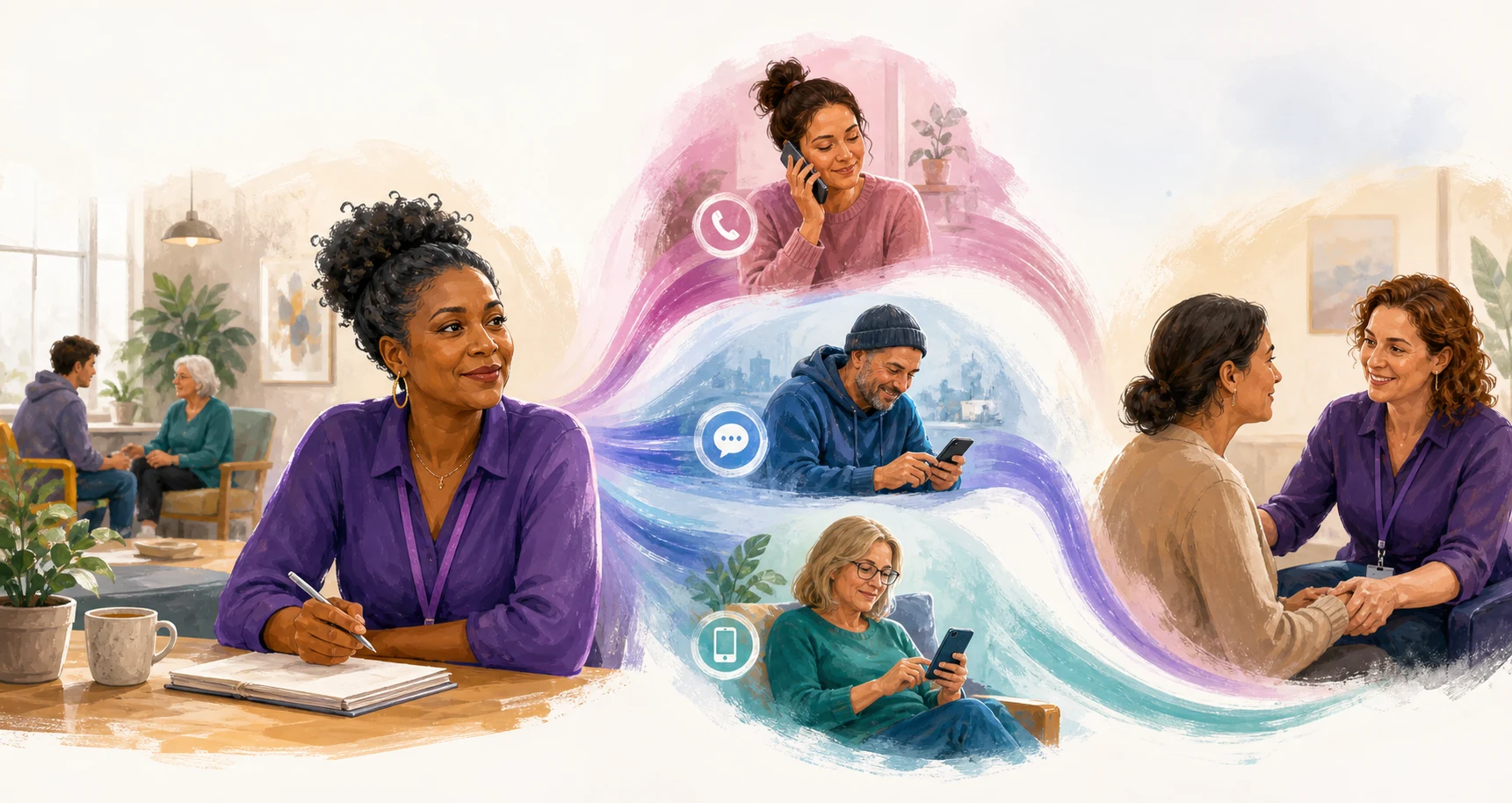 Earlier support, around the clock Human help when it matters most
 200,000+people supported
60UK local authority areas
Trusted bycouncils, charities and social enterprises
Working with organisations across the UK
























































The pressure every service recognises
Need is growing faster than traditional support can stretch.
Across health, care, housing, money, work and community life, people need useful help earlier. But knowledge is fragmented, opening hours are limited and skilled teams are already carrying more demand than their time allows.

People do not experience one problem at a time
People rarely arrive with just one problem.
A question about money may also involve caring, housing, work or wellbeing. Yet support is often organised in separate places, leaving people to join everything up and repeat their story at every door.
working-age people in the UK were economically inactive because of long-term sickness in early 2026.
ONS sourceadult social care posts in England were vacant on an average day in 2024/25.
Skills for Care source What has to change
Support needs to begin earlier, continue between appointments and connect to a real person when it becomes complex. That means extending the reach of good teams, not replacing them.
The Bridgit response
Build a digital team around, not instead of, your people.
Turn trusted knowledge into earlier help, consistent follow-up and clearer handovers. Your people stay in control of relationships, judgement and risk; Bridgit extends when and where their support can reach.

Imagine your best team member could guide employees, customers or communities around the clock without becoming the bottleneck. Bridgit turns their trusted knowledge into AI coaches, while your people stay in control of judgement, relationships and risk.
- 01
Choose your team
Choose from a library of 60 coaches, then focus them on the priority problems and human expertise you want to scale.
- 02
Train them
Use approved local content, tone, pathways, safeguards and handover rules to your real-world support.
- 03
Deploy them
Launch through web, voice, hosted links, QR codes and trusted partners.
- 04
See impact
Track people supported, needs, actions, follow ups, feedback and handovers.
An example support journey
From a first question to the right human help.
A person receives useful preventative support straight away and moves to a real team member when risk, complexity or deeper help requires it. Their context travels with them, so nobody has to start their story again.
- 01Voice

A simple first conversation
The person calls a familiar number and speaks naturally with an AI coach about what they need.
- 02Text

Clear advice they can keep
A helpful summary, trusted information and practical next steps arrive by SMS or WhatsApp.
- 03App

Deeper personalised coaching
In the app, a specialist coach helps build a plan, use practical tools and stay on track through follow ups.
- 04Human

A warm handover when needed
With consent, the coach passes the context to the right person in your team for more specialist support.
One connected journey: available around the clock, proportionate to the person’s needs and always able to involve a real person.
Try it yourself: open the Bridgit coach in the bottom-right corner and ask a question by text or voice.
Support that follows the person
One coach. Every channel.
Once the support is connected, access should be simple. People can reach the same trusted Bridgit coach by message, voice, your website or a complete advice and coaching app.
Friendly, familiar support in the messaging app people already use.
Telephone
Voice support at the end of a phone line for people who prefer to talk.
Your website
A branded widget within your existing site, ready to answer questions and guide next steps.
Advice & coaching app
A fuller desktop and mobile experience with guidance, tools, plans and ongoing follow ups.
Choose the area you want to improve
One connected model, shaped around different lives.
Choose the people or partnership closest to your priority. See the challenge, the support journey, how Bridgit fits and the outcomes your organisation can measure.
Showing solutions 1 to 3 of 9

Carer services
Reach adult carers, young carers and working carers earlier through one adaptable digital support model.

Council Front Door
Connect council and VCSE support through one resident journey, and reduce avoidable pressure on your front door.

Social enterprises
Turn trusted service models into scalable digital support and measurable social impact.

Care leavers
Keep practical guidance close while young adults navigate housing, money, health, education and work.

Healthy ageing
Help older adults stay active, connected and independent through earlier practical support.

NHS partners
Extend preventative, practical support around appointments and community pathways.

Corporate AI coaching
Give employees, customers or communities trusted support built around your organisation's expertise.

Social investors
Fund a cohort of trusted social enterprises around one mission and one clear view of impact.

International recruit support
Help international care recruits settle, progress and stay connected through a regional or organisational support service.
Something different?
Your challenge does not need to fit a template.
If your priority is not shown here, bring us the real problem. We can shape a focused coach around your service, knowledge and pathways, often within hours.
From our partners
Hear what working with Bridgit feels like.
Real partnerships are how useful technology becomes trusted support. Hear how Bridgit works alongside organisations to turn local expertise into wider reach and practical impact.
Featured partner story Andy Mitchell
Unity Enterprise
Press play to hear their experience with Bridgit.
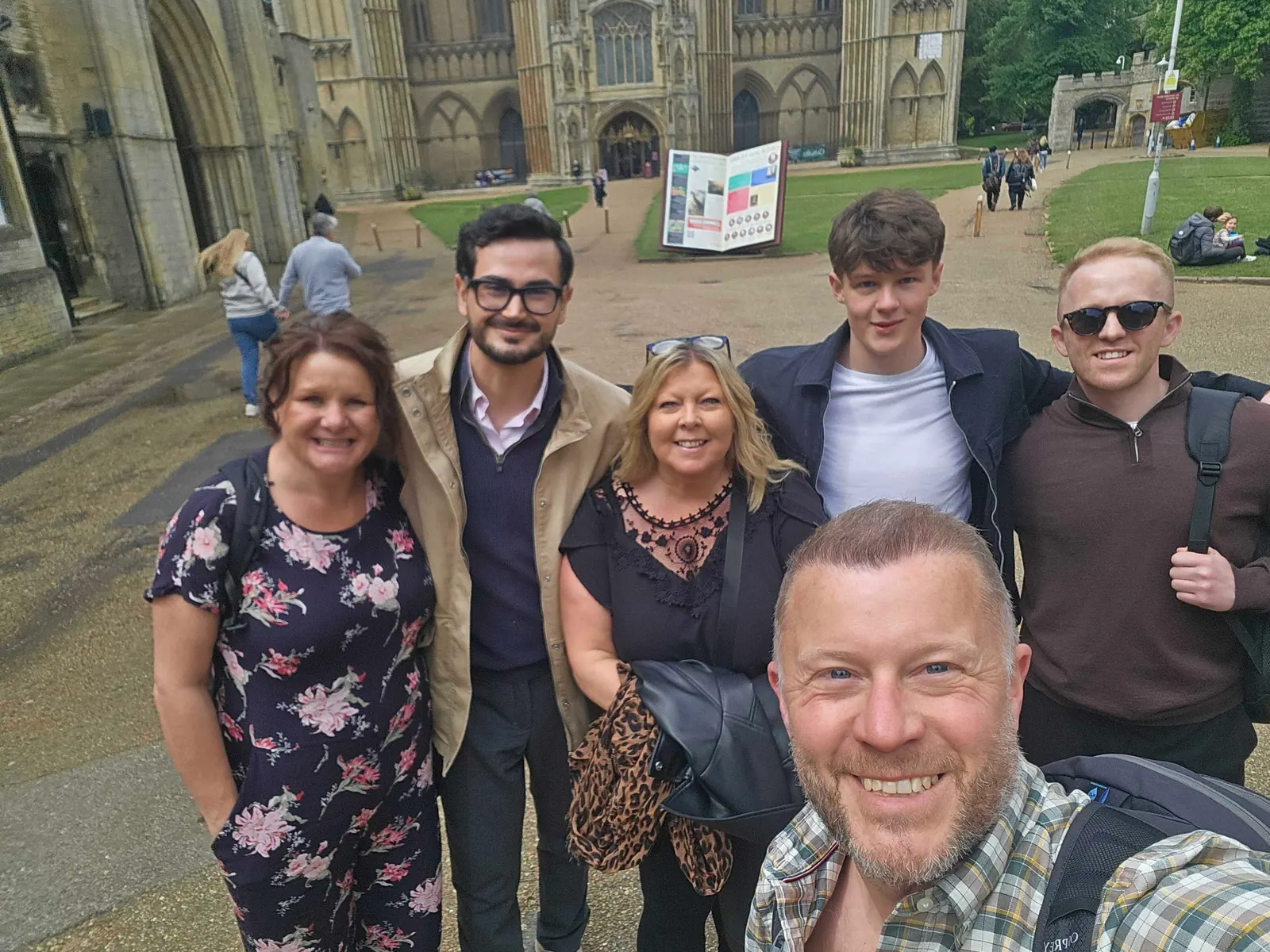
The people behind the AI
Human expertise stays at the centre.
Bridgit is built by a UK social enterprise team working alongside councils, charities, frontline professionals and people with lived experience. Our coaches handle early guidance, repeat questions, follow ups and routine admin so real people can spend more time on relationships, safeguarding, complex decisions and those who need them most.
Book a discovery call
Let’s explore where a Bridgit coach could make the biggest difference.
Choose a convenient 30-minute slot with Laura to discuss your priority audiences, existing expertise and a practical route to launch.