

What We Learned from Our Webinar on Innovation in Carer Services
Innovation in carer services can feel like a big topic. However, in our recent carer services webinar, one message came through clearly: progress does not always start with major change. Often, it starts with one clear problem, one practical idea, and the confidence to try something new.
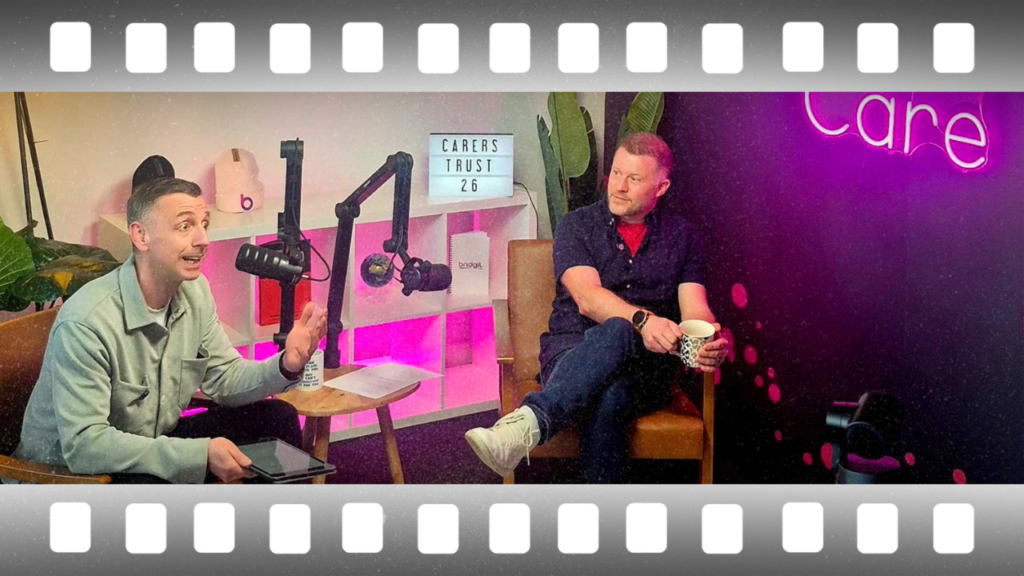
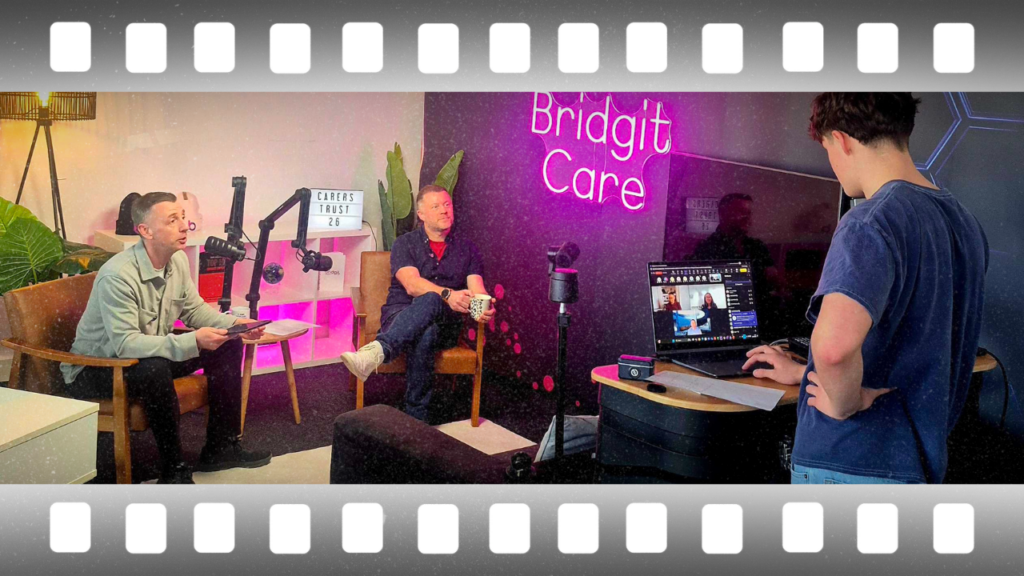
We recently brought together leaders and teams from across the sector for a webinar on innovation in carer services. It was an honest and practical discussion. People shared what is working, what is getting in the way, and where digital approaches could make the biggest difference.
The conversation showed that many organisations are already trying new things. However, innovation is often inconsistent and reactive because day-to-day pressures leave little room to step back and plan.
What came through most strongly
A few themes kept coming up throughout the webinar.
First, there was a clear sense that innovation is happening, but not always in a joined-up way. Many services are testing ideas, improving processes, or exploring digital tools. However, this often depends on individual energy rather than a wider strategy.
Second, leadership and governance matter. People spoke about the need to treat digital as an investment, not just a cost. Without that mindset, it can be hard to prioritise change, even when the need is obvious.
Third, the biggest opportunities felt very practical. The discussion focused on two main goals: reaching more carers and reducing pressure on staff. For many organisations, that is where digital tools could have the most immediate impact.
What the webinar highlighted in practice
The examples shared during the session brought this to life.
Real-world stories, including work from Carers Gateway, showed how process improvements can save thousands of hours and free up more time for frontline support. That kind of example matters because it moves the conversation away from theory and into everyday delivery.
There was also strong agreement on the bigger conditions needed for progress. These included:
- longer-term funding
- better understanding from commissioners
- stronger digital confidence at leadership level
- co-production with carers and frontline teams
That wider context is important. Innovation is not only about tools. It is also about the environment around them.

Practical resources from the webinar
Alongside the discussion, we also shared practical resources to help teams take the next step.
The session covered useful tools and approaches including:
- digital outreach, such as Google Ads and GP text messaging
- AI tools like ChatGPT and Copilot
- flexible staffing through gig economy models
- building digital skills and confidence at board level
For smaller teams, or for services already stretched, the key message was simple: start small. Focus on a clear problem. Build from there.
You can explore the follow-up resources here:
Access the Digital Innovation Pack:
Email Laura (Laura@bridgit.care) and ask for the digital innovation pack .
The pack includes the slides from the session as well as an introduction to the Digital Innovation Pack.
Why this matters for carer services now
Carer services are working under constant pressure. Demand is rising. Teams are stretched. Funding remains uncertain. So the question is not whether innovation sounds exciting. It is whether it can help services respond to real challenges in a practical way.
That is why this carer services webinar felt so valuable. It created space for honest discussion, shared learning and realistic ideas. It also showed that innovation does not need to be complicated to be useful.
In many cases, the most effective changes are the ones that save time, reduce friction and help services reach carers earlier.
Join the community and keep the conversation going
This webinar was only the start. We want to keep building a shared space where people can learn from each other, share what is working, and talk honestly about what still feels difficult.
If you joined the session, thank you again for being part of it. If you did not, there is still plenty to take away from the discussion and resources.
Join the community:
Click Here
We would also love to hear your feedback on the session, including what worked, what did not, and what you would like to see next.
Because when services share practical ideas and honest experiences, progress becomes much easier to build.